NSC · CV
Newborn Screening Center Central Visayas
Protecting every newborn through early detection — one carefully collected sample at a time.
Our areas of focus
NSC-CV guides newborn screening in Central Visayas through a clear vision, a stakeholder-centered mission, and strategic objectives that protect every baby’s future.
-
Vision
Excellence in the Delivery of Newborn Screening Services in Central Visayas. By 2027, every baby born in Region VII will have access and avail of the total quality care of Newborn Screening Services.
-
Mission
NSC-CV is committed to provide optimal health care of newborn screening through its stakeholder-centered program advocacy, training, follow up of patients and ethical research. To provide exemplary service in early detection and management of metabolic disorders.
-
Strategic Objectives
To become the premier Center in the implementation of newborn screening program through quality service, ethical based research and training of personnel to better health outcomes of newborns by 2027.
How newborn screening works
From first hours to the laboratory
Scroll through each step as a blood sample travels from a newborn’s heel to the Newborn Screening Center—where life-saving tests begin.
-
 01
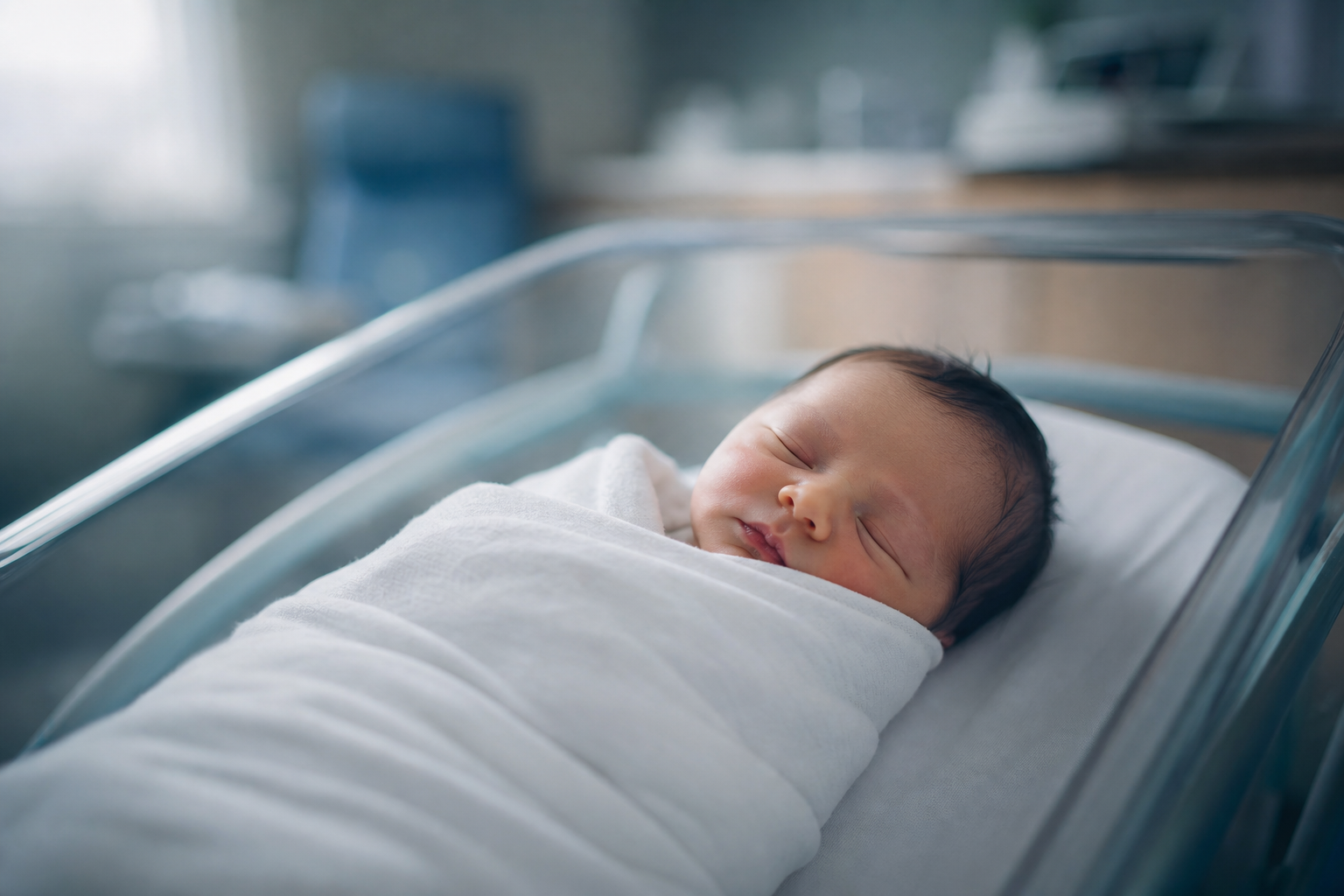
01After 24 hours
When a baby is at least 24 hours old, newborn screening begins. Early testing helps detect serious disorders before symptoms appear—giving every child a healthier start.
-
 02
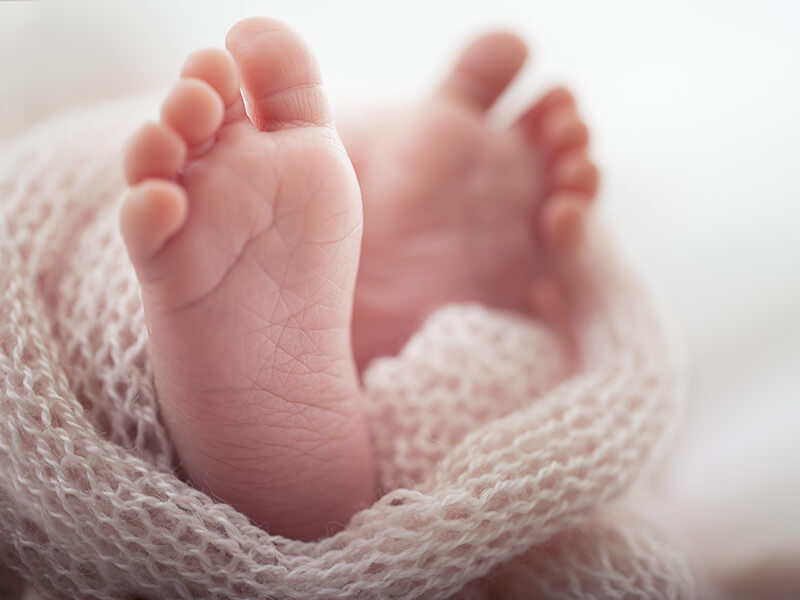
02Heel prick
A trained health worker gently warms and cleans the baby’s heel. This small area is the safest place to collect a few drops of blood for screening.
-
 03
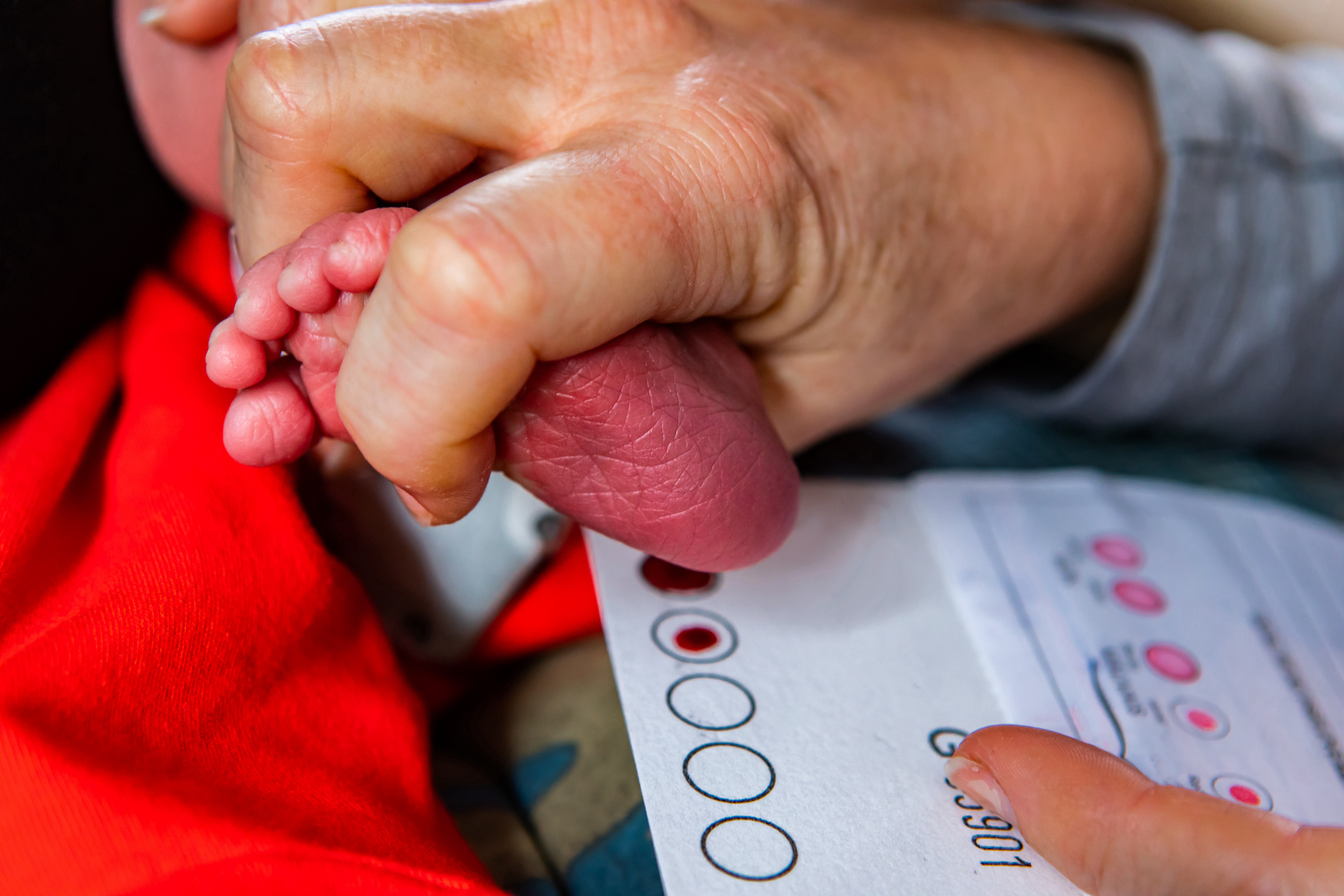
03Drop of blood
With a quick, careful prick, a tiny drop of blood forms. The procedure is brief and designed to be as gentle as possible for the newborn.
-
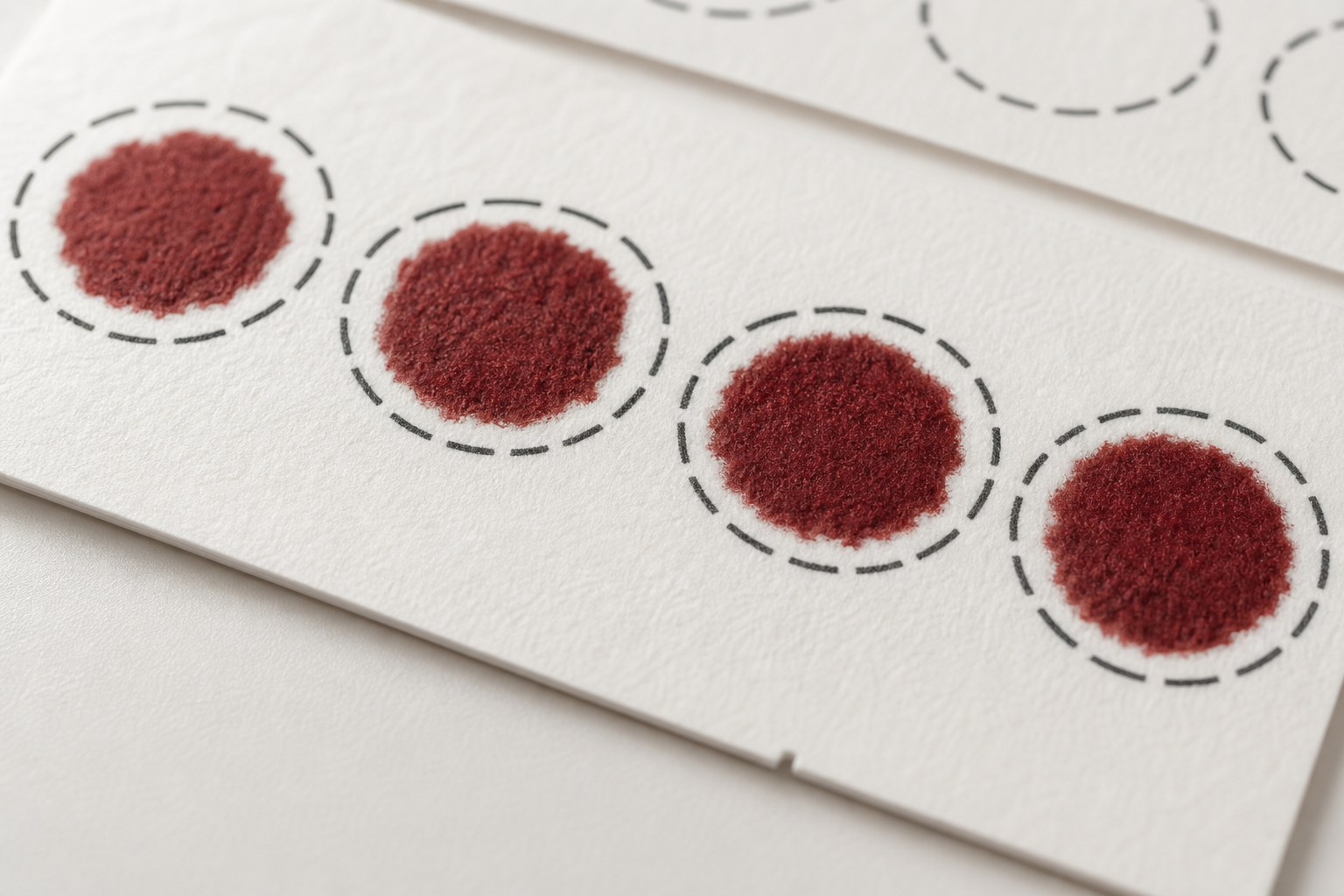 04
04Special filter paper
Each drop is applied to a special newborn screening card. The absorbent circles on the filter paper hold the sample for laboratory testing.
-
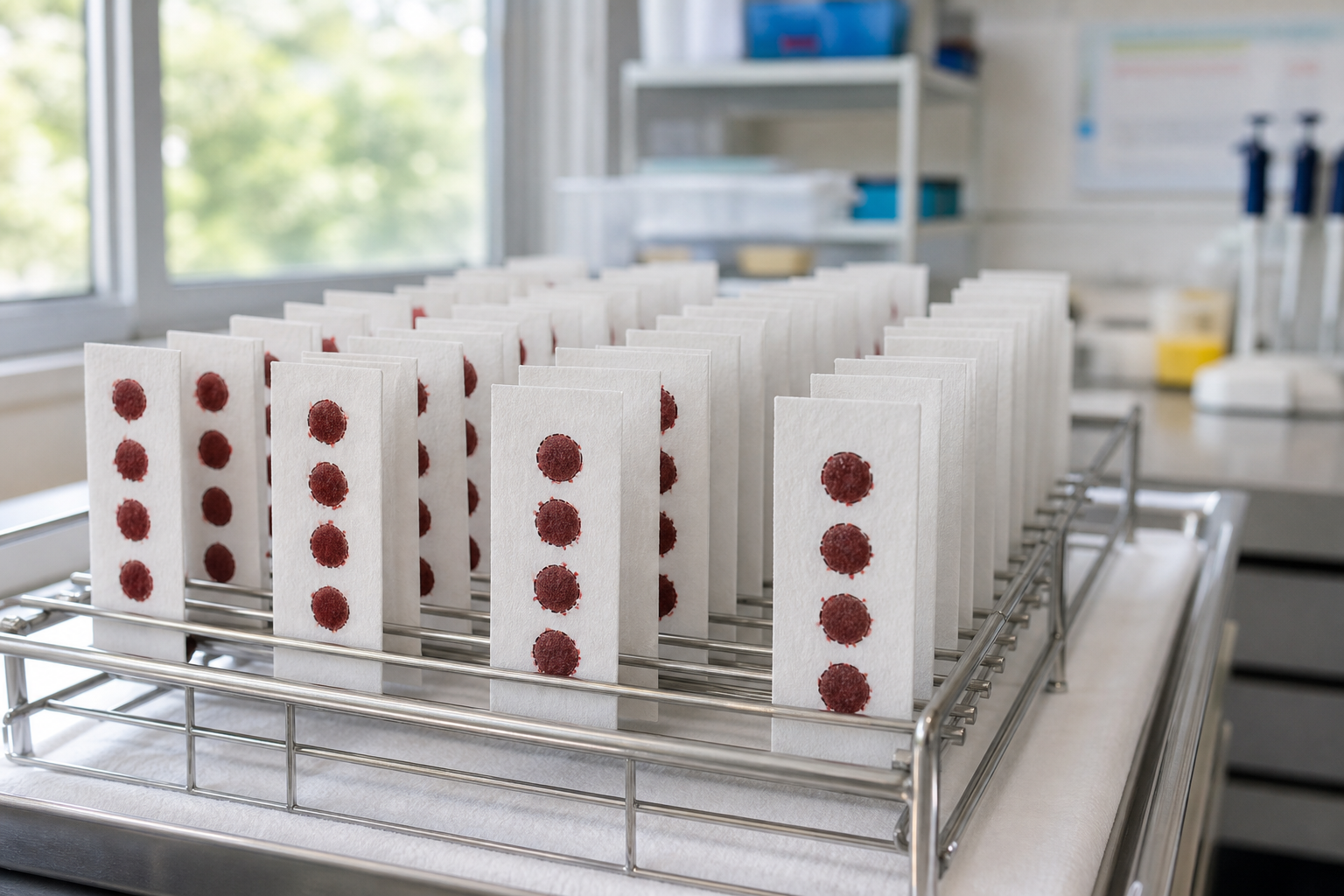 05
05Dried on the rack
The card is left to dry completely on a drying rack. Proper drying protects sample quality so laboratory results remain accurate and reliable.
-
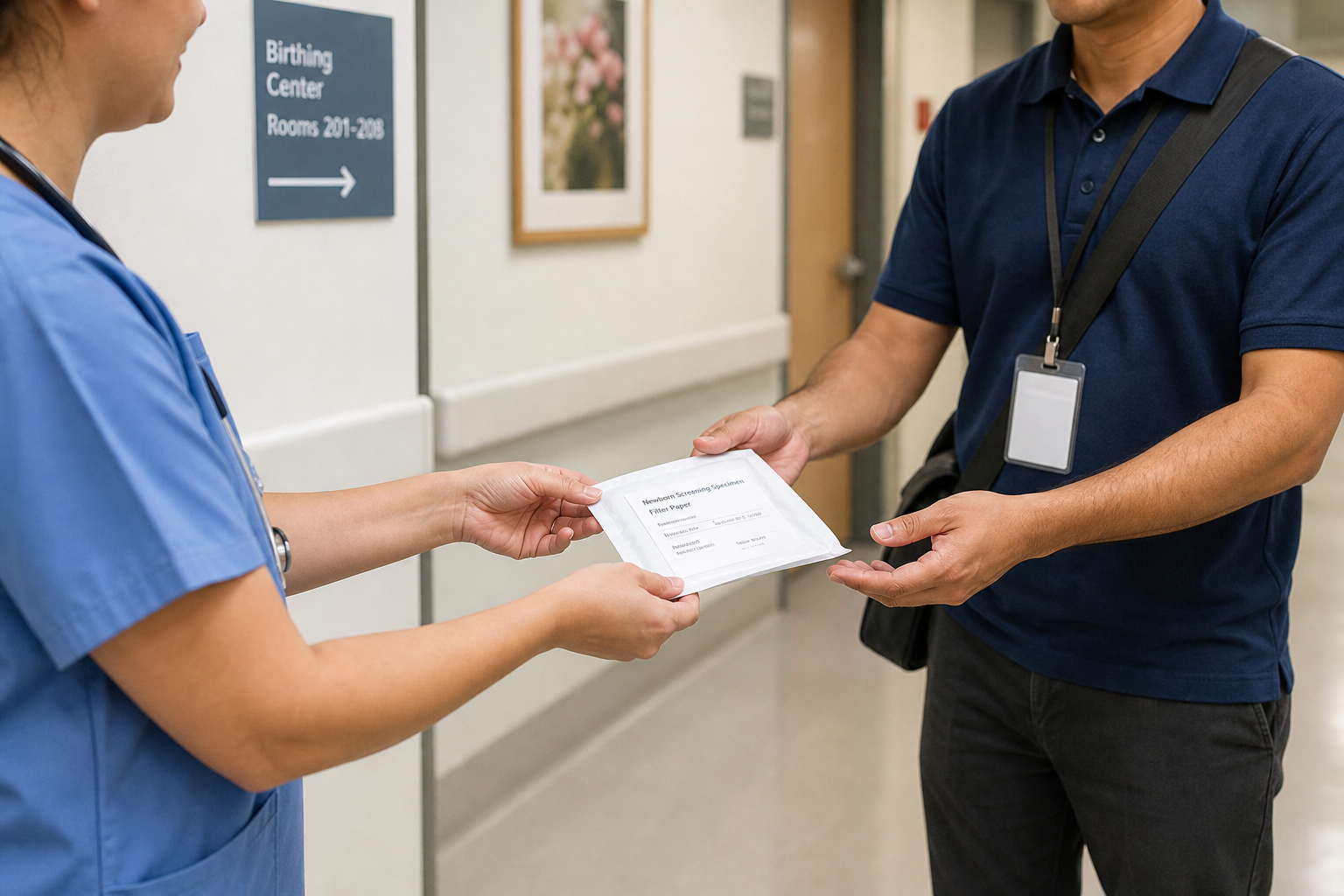 06
06Passed to the courier
Once dry, the specimen is sealed and handed to a courier. Secure transport keeps the sample safe from the birthing facility to the screening center.
-
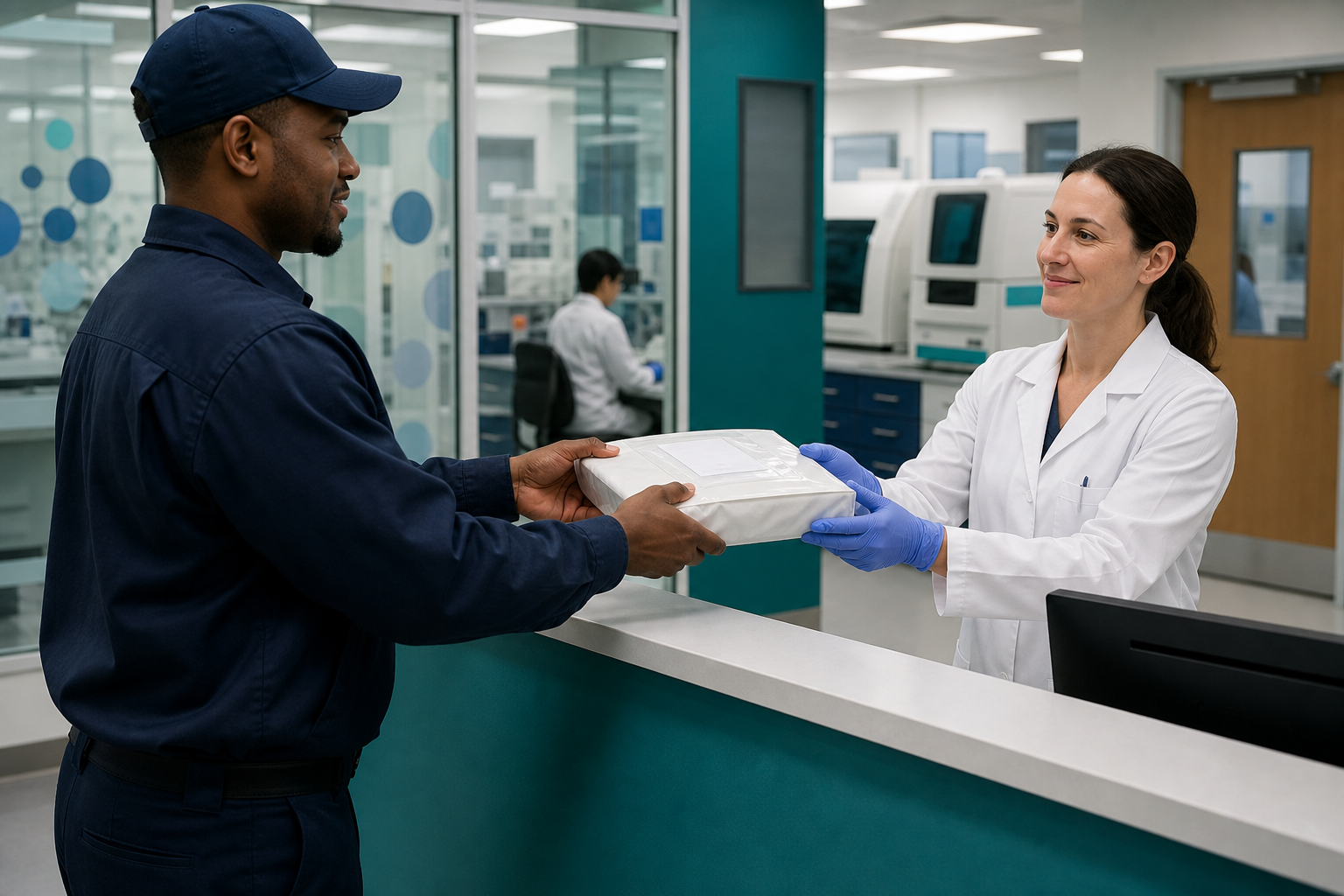 07
07Arrives at the center
At the Newborn Screening Center, trained personnel receive the card and begin laboratory testing—helping identify disorders early and protect every newborn’s future.
Every card that reaches our center is a chance to detect disorders early—and change a lifetime.
Login to NSC-iDROP